Walk up to almost any traveler’s fridge and you’ll find a row of trophies — small magnets marking the cities they’ve wandered, the mountains they’ve climbed, the coasts where they watched the sun go down. Few people know this habit began almost by accident.
In the late 1960s, mold-maker Sam Hardcastle mixed iron powder into plastic to create injection-moldable “flexible magnets” while tracking large aerospace equipment, and developed a stretchable, crack-resistant coating to color them. He later founded an advertising-magnet company and produced magnets shaped like U.S. states — printed with state names and landmarks — that tourists adored. The tradition of collecting souvenir fridge magnets was born.
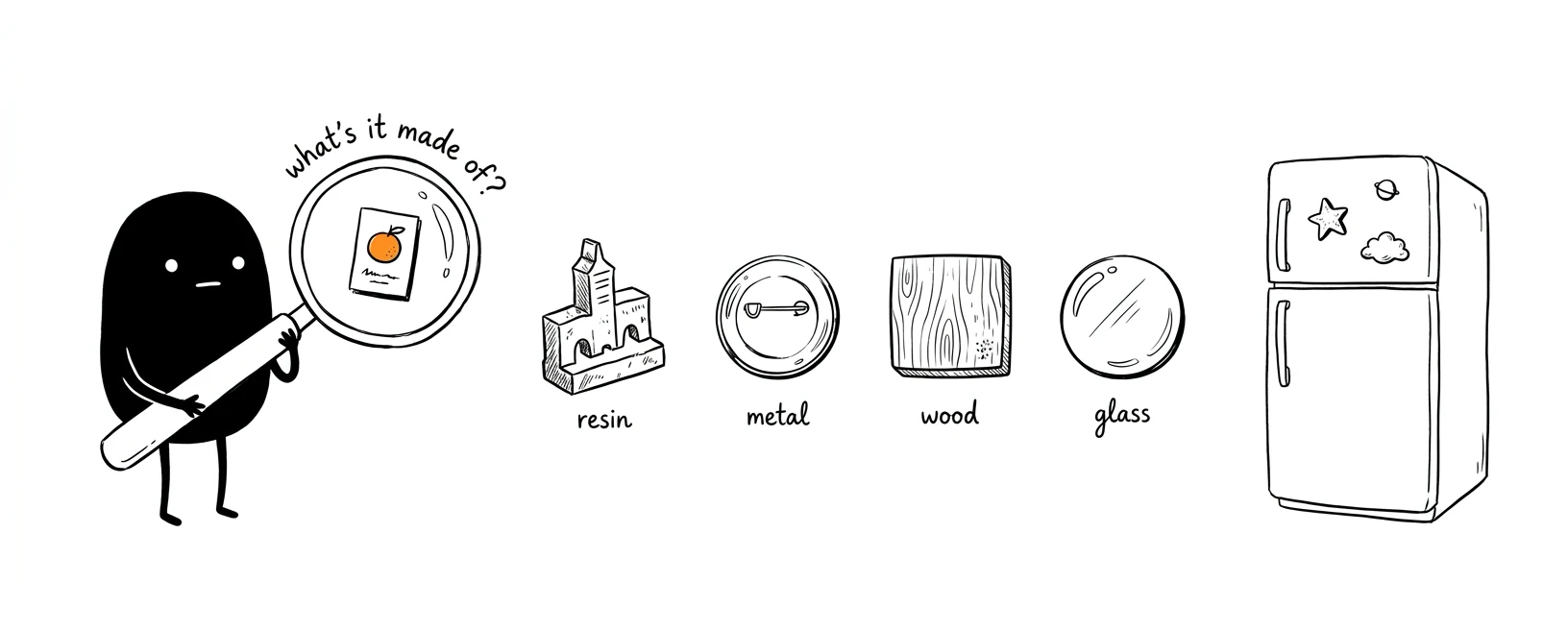
But the moment you want to buy, gift, or even sell fridge magnets, one question comes first: what are they actually made of? The answer has two layers — the magnet on the back decides how firmly it sticks, and the decorative material on the front decides how good it looks. Let’s take them one at a time.
1. The Magnet Behind: What Makes It Stick
When people say “material” they usually mean the front, but holding power comes from the magnet on the back. There are three common types.
1.1 Flexible / Rubber Magnet
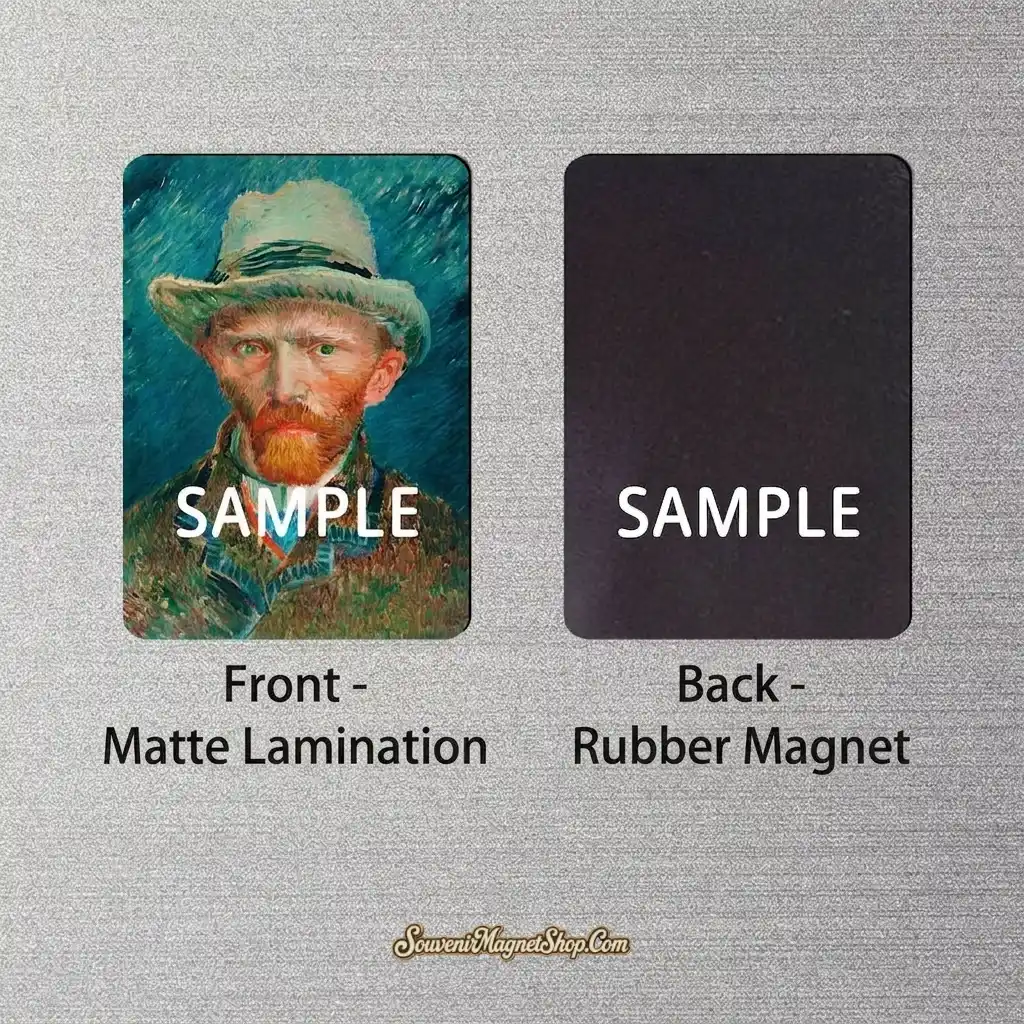
Magnetic powder pressed into a rubber or plastic sheet — soft, bendable, easy to cut, cheap and light, and gentle on your fridge’s paint. The trade-off is the weakest pull (about 0.4–0.5 lb); it can deform and lose strength over time, so it suits only thin, light pieces. This is the backing on most souvenir and promotional magnets.
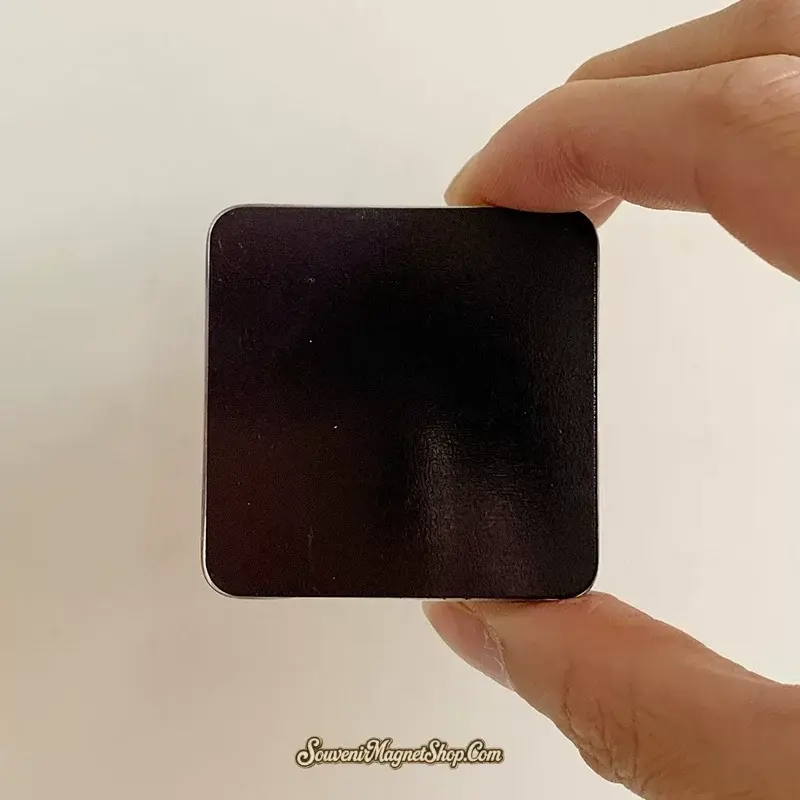
1.2 Ferrite / Ceramic Magnet
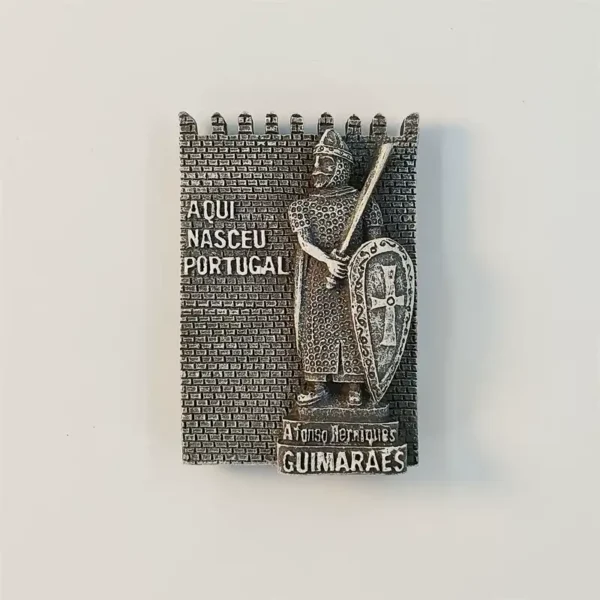
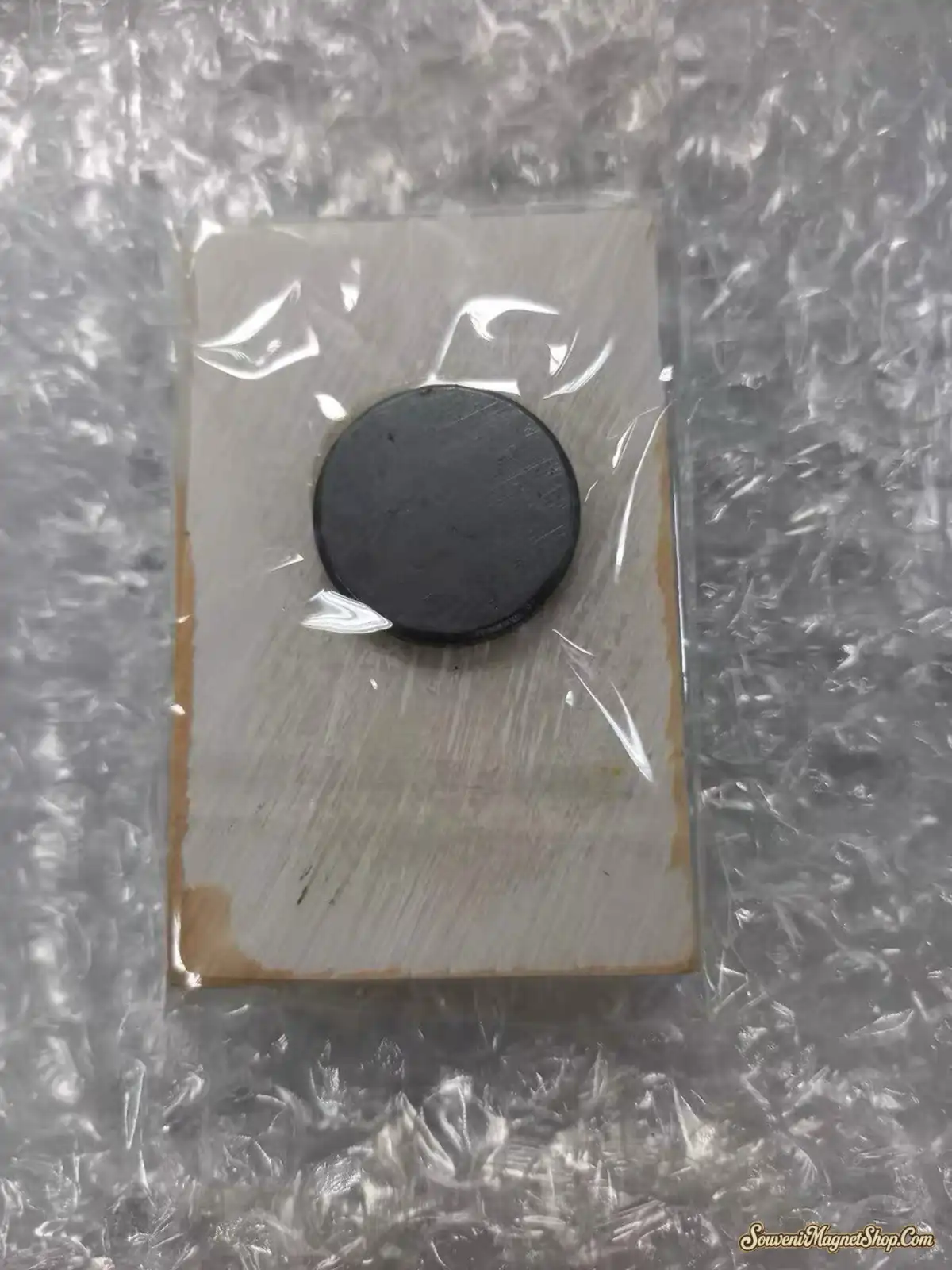
Made from iron oxide with barium or strontium, with a medium pull (about 1.1 lb). Low-cost, corrosion- and demagnetization-resistant — the value pick; the downsides are its bulk and brittleness. Common on decorative pieces that carry some weight and need steady holding power.
1.3 Neodymium / Rare-Earth Magnet
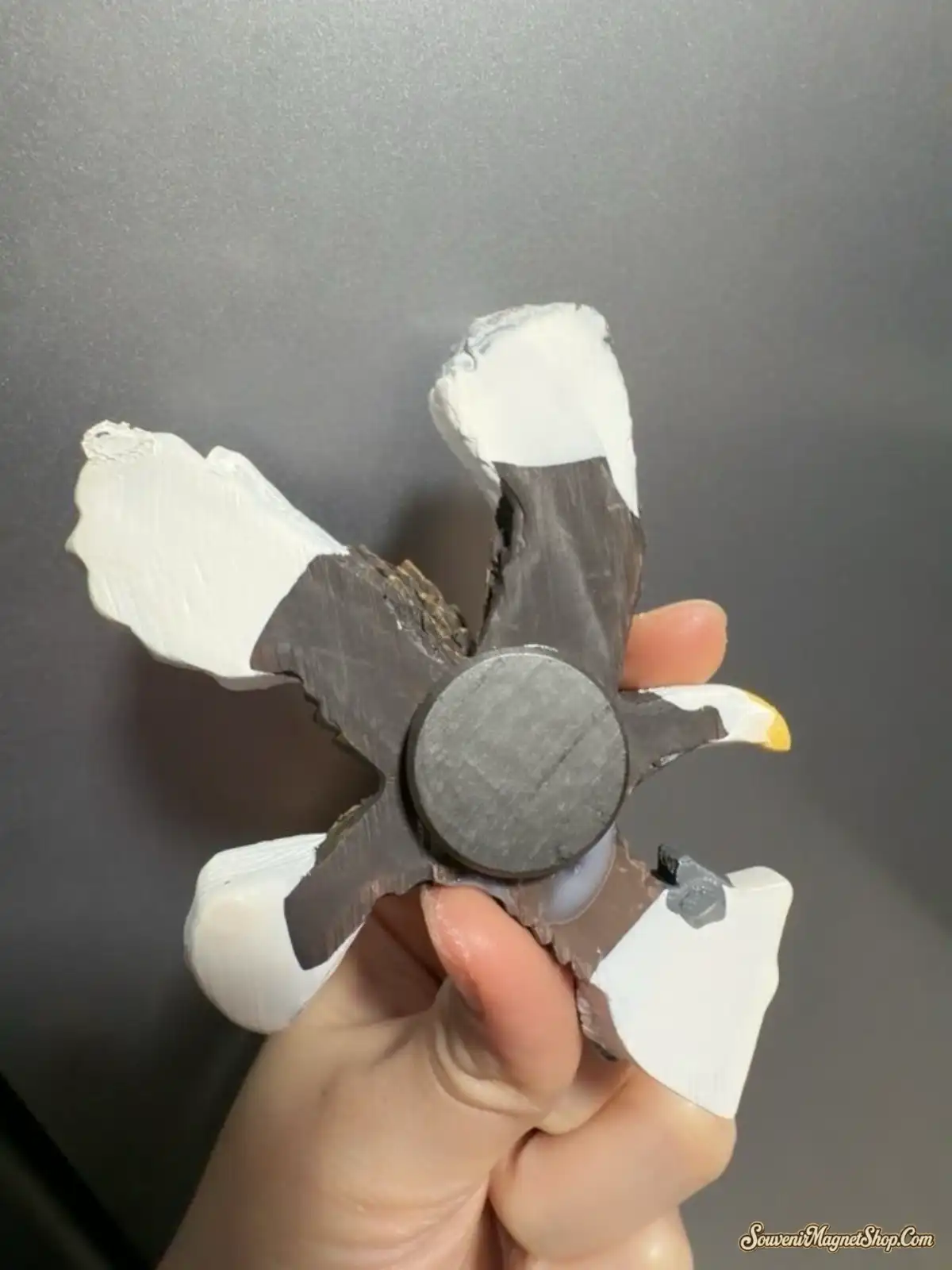
A rare-earth permanent magnet with the strongest pull (about 5.8 lb, 5–6× ceramic), compact and long-lasting. The downsides: a higher price and rust risk in humidity, so it’s usually nickel- or gold-plated. Used for heavier metal and thick resin pieces that need a firm grip.
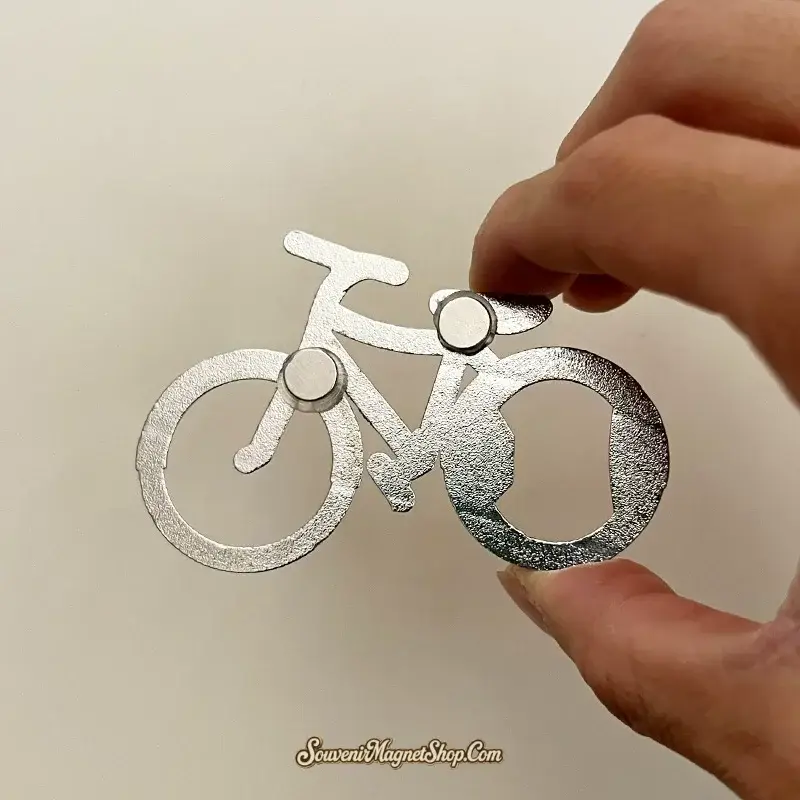
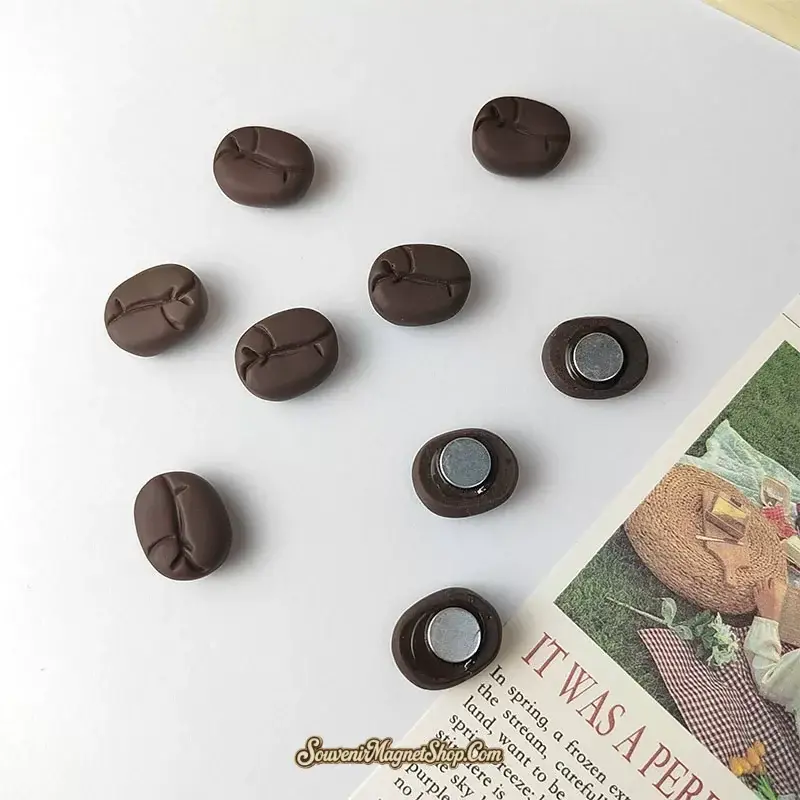
Rule of thumb: the heavier the piece, the stronger the magnet it needs. Pair flexible magnets with thin, light pieces; choose ceramic or neodymium for metal and thick resin so they don’t drop the moment the door slams.
🔬 The trade reality: shape and volume usually matter more than weight.
The textbook line — heavier piece, stronger magnet — points the right way, but in practice a factory picks the magnet by the piece’s shape and bulk. In our own lineup the heavier resin pieces ride on mid-strength ferrite, while light acrylic and tiny “chocolate-bean” shapes use the strongest neodymium — because thin, small, irregular shapes need a powerful magnet to grip across a tiny contact area. So shape, volume and the real contact surface drive the choice; weight is only a hint.
Quick magnet comparison
First, a quick recap of the three back magnets; which material pairs with which magnet, we’ll pull together once you’ve seen the front materials below.
| Magnet type | Pull | Traits | Common use |
|---|---|---|---|
| Flexible / Rubber | Weakest (~0.4–0.5 lb) | Soft, bendable, cuttable, cheap, light, paint-safe; can deform / weaken over time | Most souvenir, promo & photo magnets |
| Ferrite / Ceramic | Medium (~1.1 lb) | Low-cost, corrosion- & demagnetization-resistant; bulky, brittle | Decorative pieces needing a steady hold |
| Neodymium | Strongest (~5.8 lb, 5–6× ceramic) | Compact, strong, long-lasting; pricey, rust-prone, needs plating | Heavier metal / resin pieces needing a firm grip |
2. The Decorative Face: What Makes It Look Good
The front material sets the look, feel and price, and it’s the first thing a shopper notices. There are eight common types.
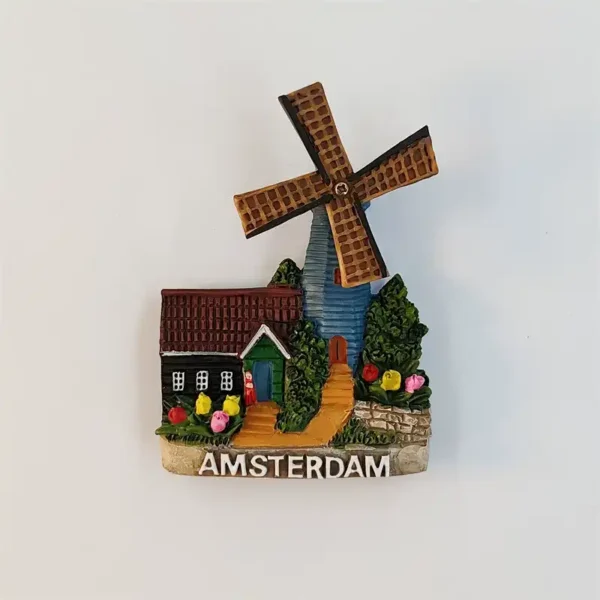
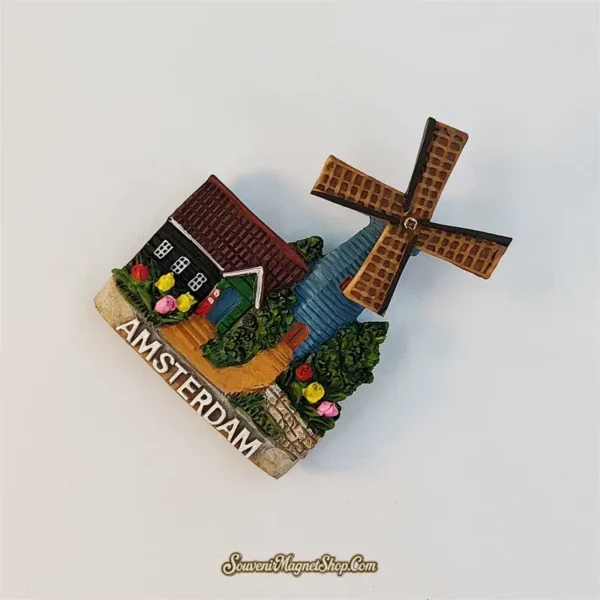
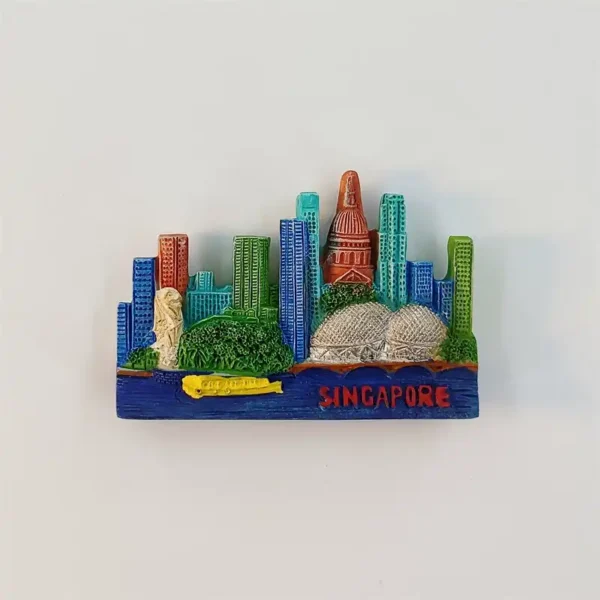
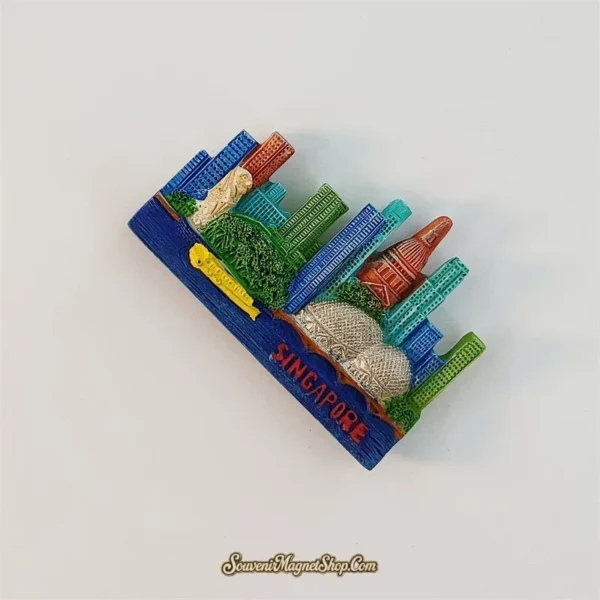
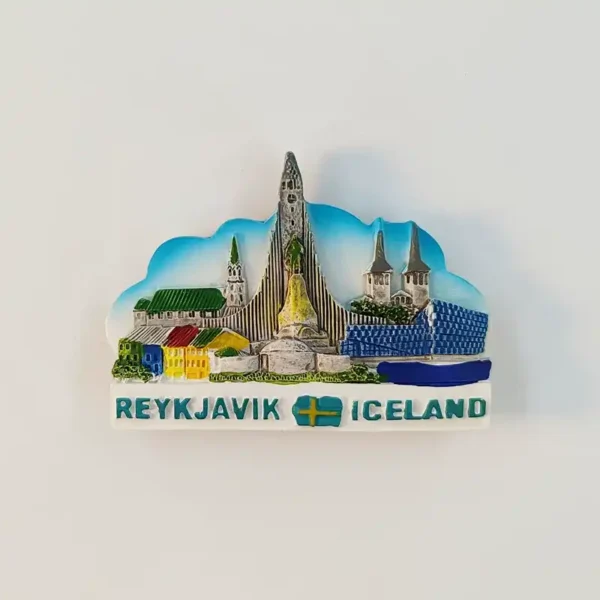
2.1 Resin / Epoxy
- Craft: Cast in a mold for true 3D relief and hand-painted, or domed with clear epoxy over a printed image for a glossy “crystal” finish.
- Pros: High relief and rich color; the domed surface is glossy, magnifies the art, and resists scratches and moisture.
- Cons: Hand-painting raises cost; batch consistency needs control.
- Best for: Landmark and IP shapes — the mainstream travel souvenir that needs lifelike depth.
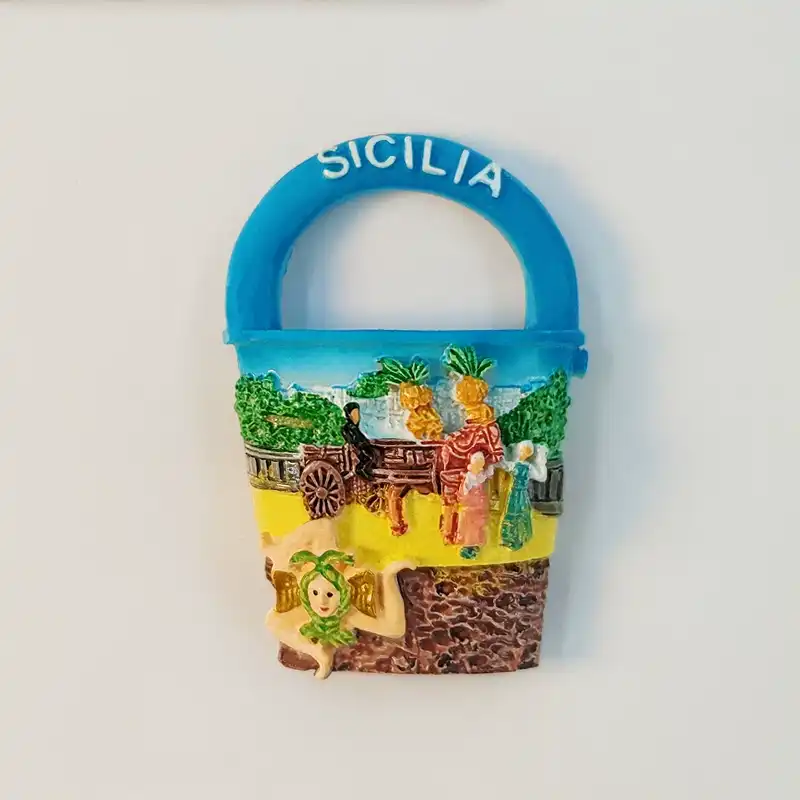
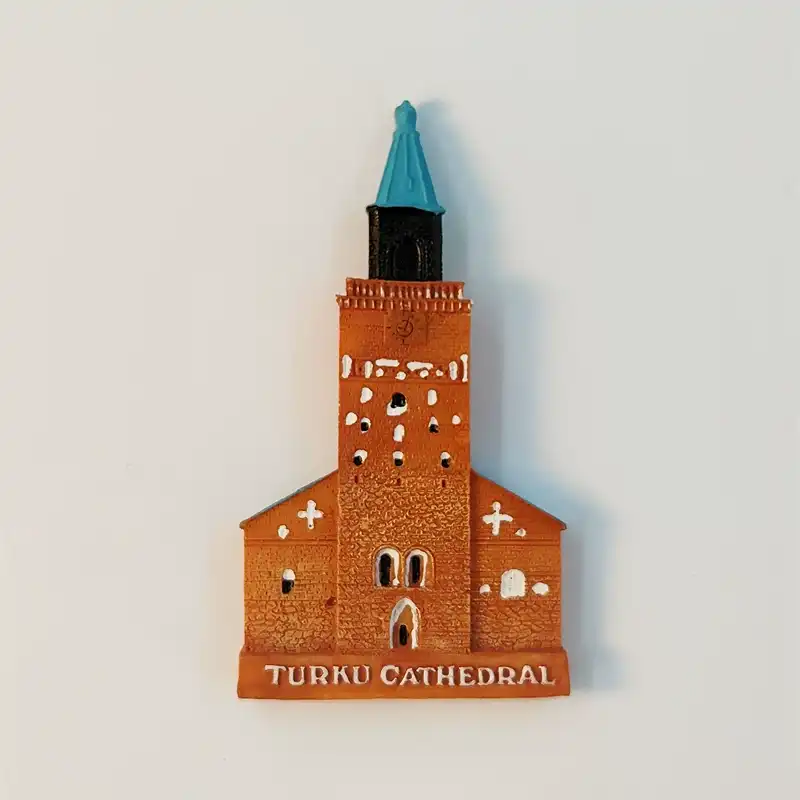
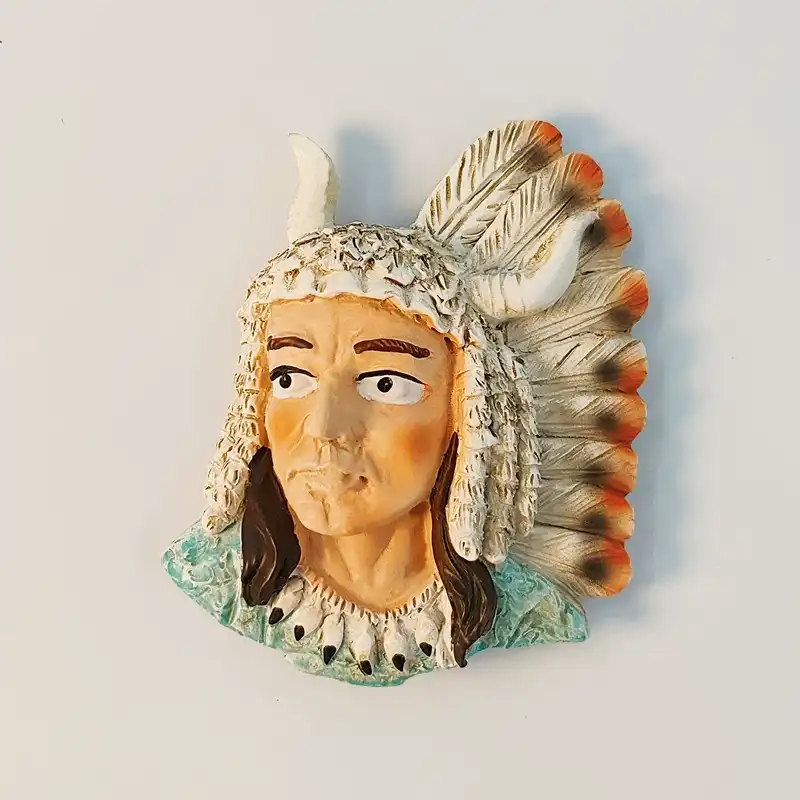
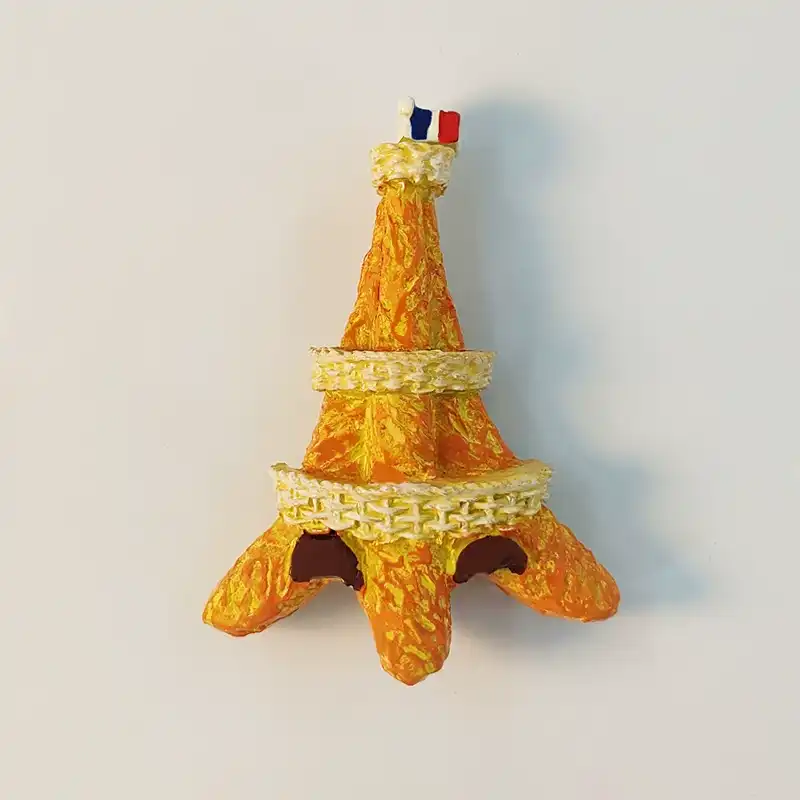
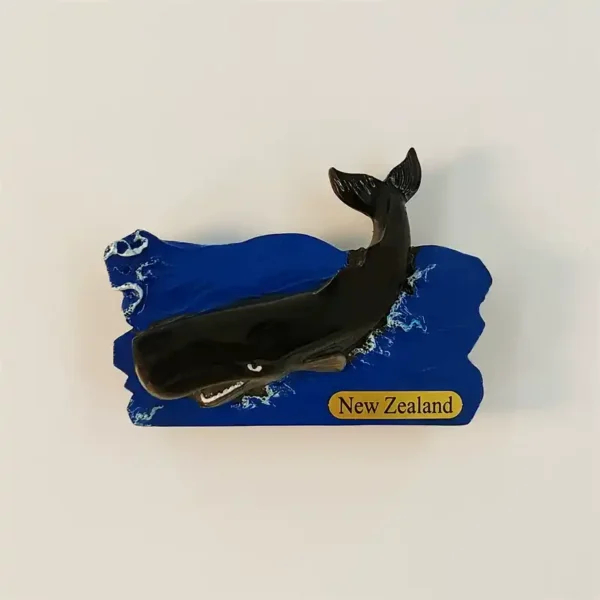
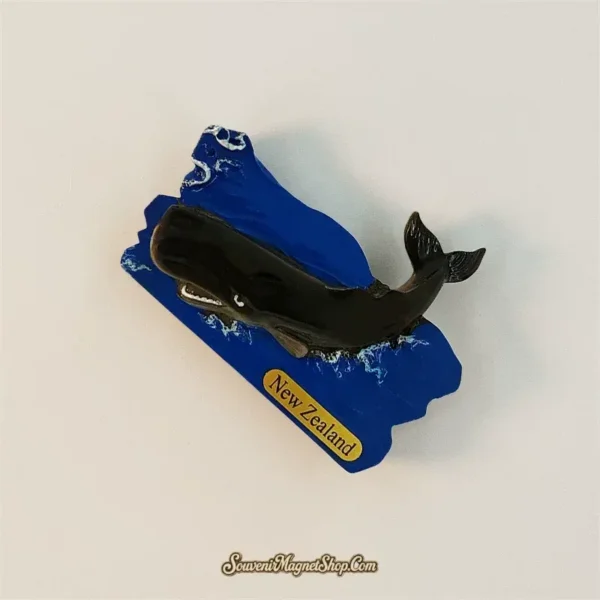
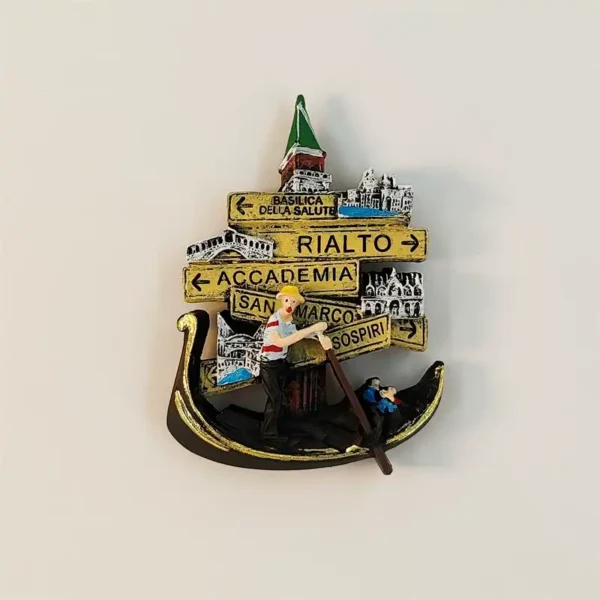
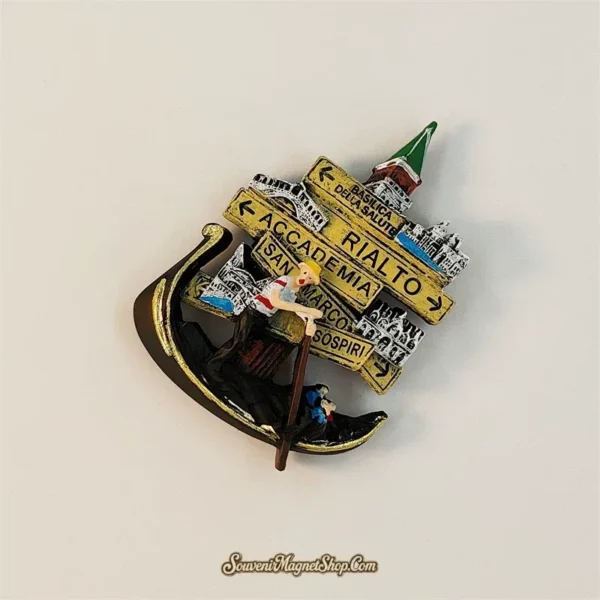
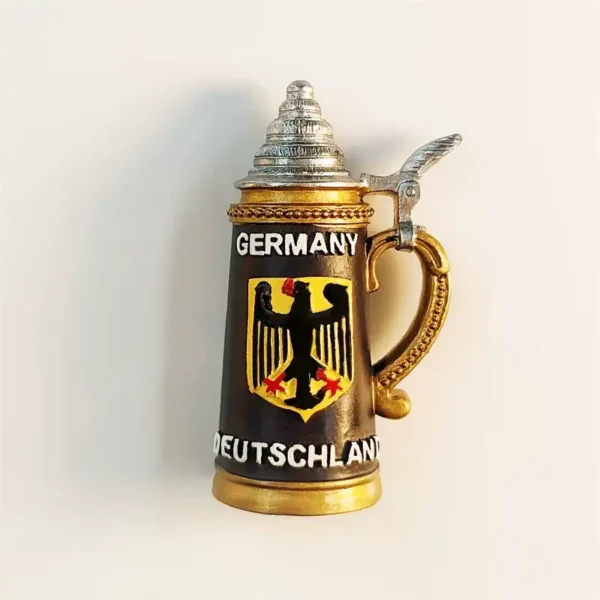
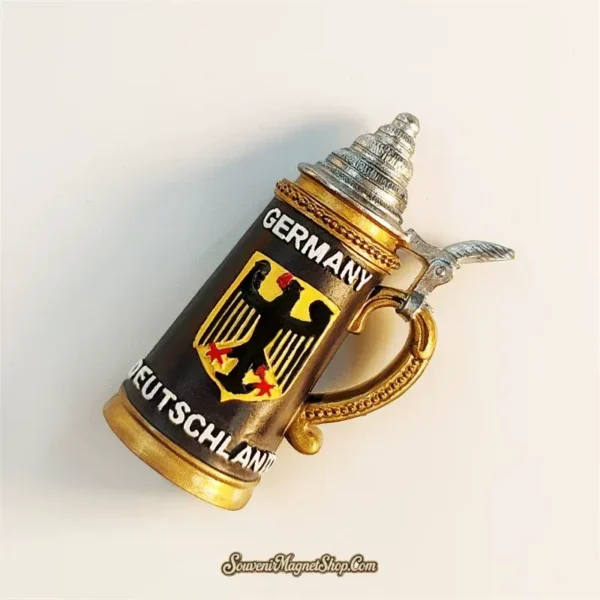
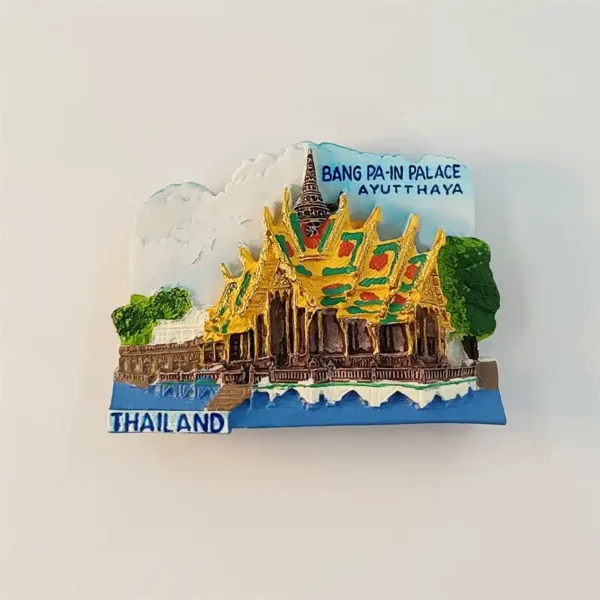
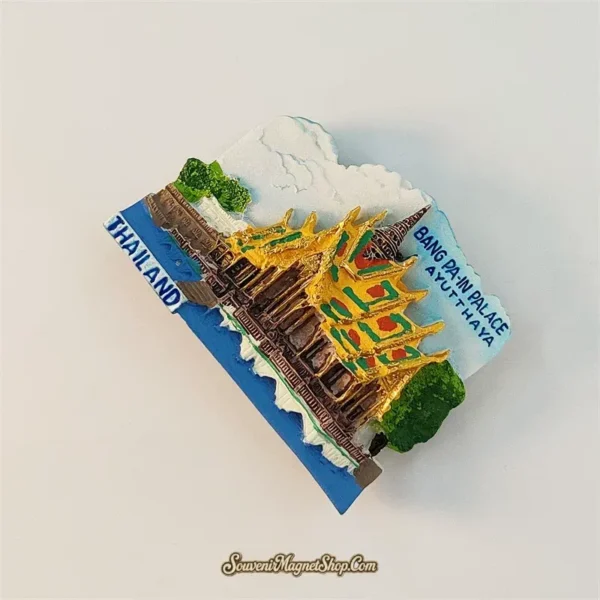
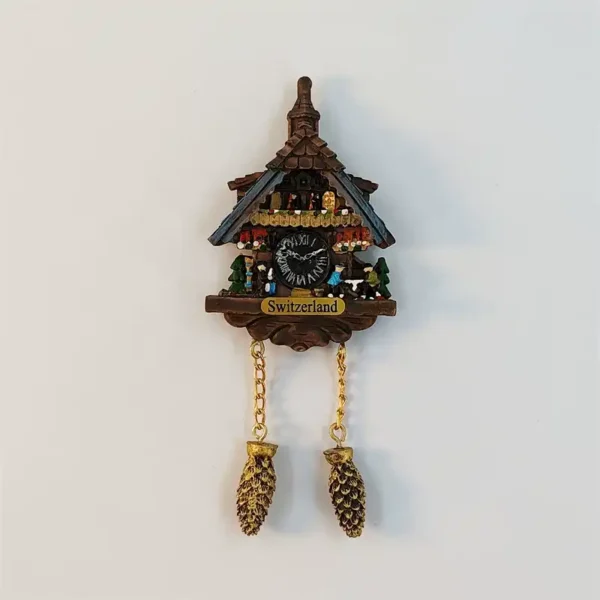
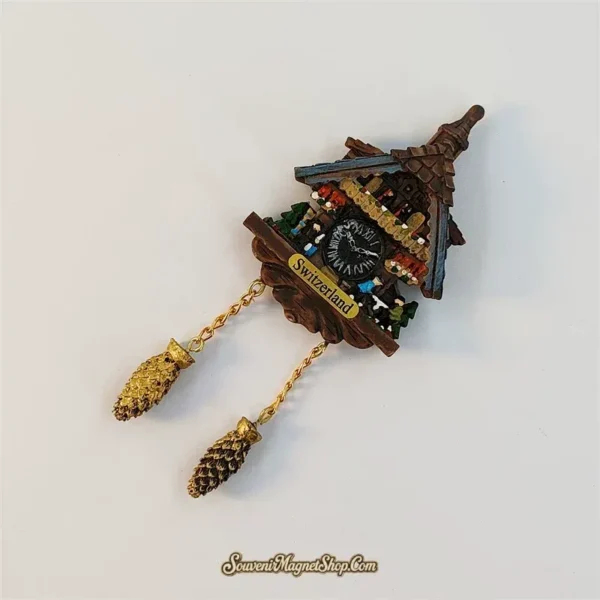
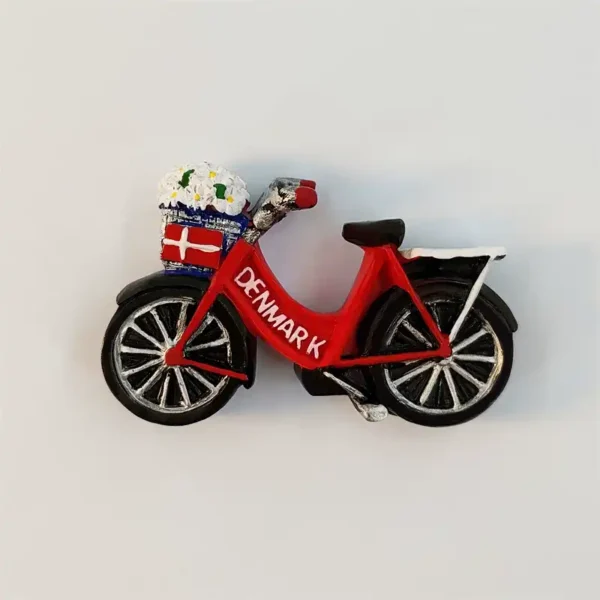
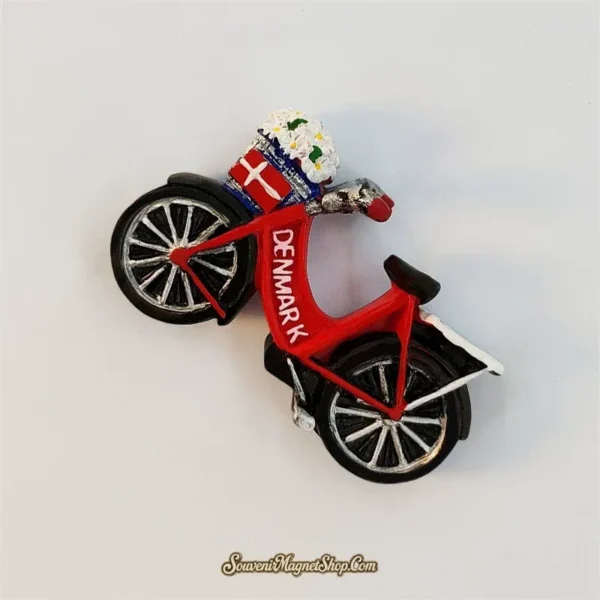
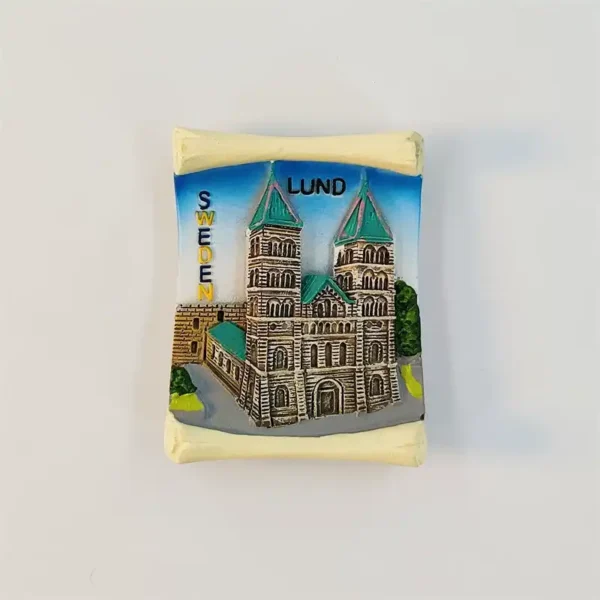
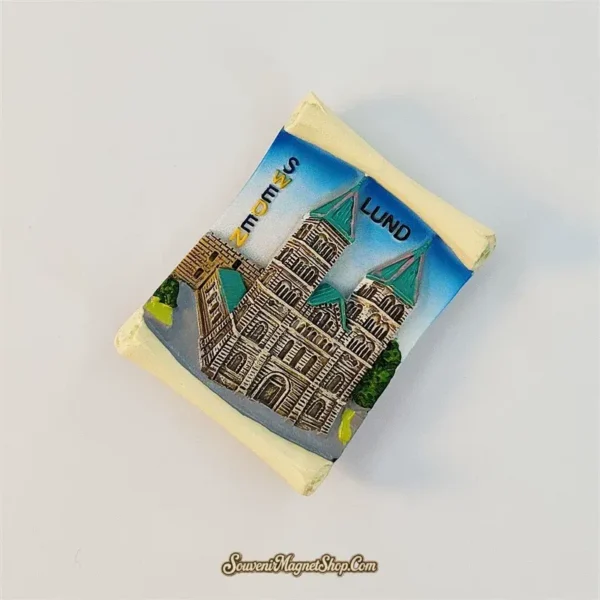
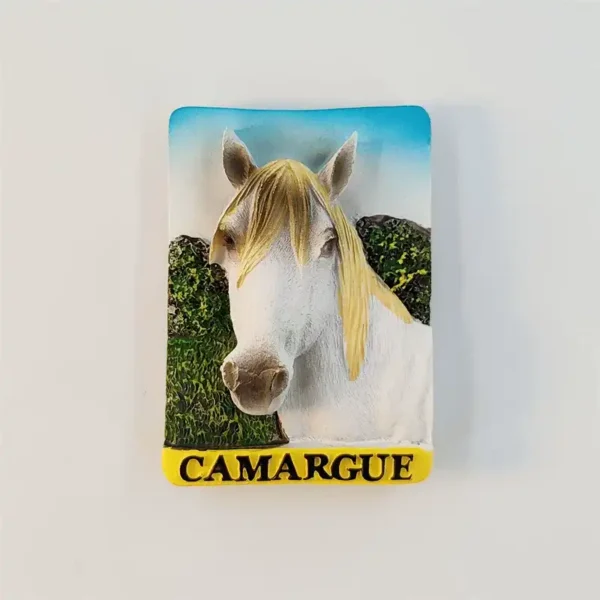
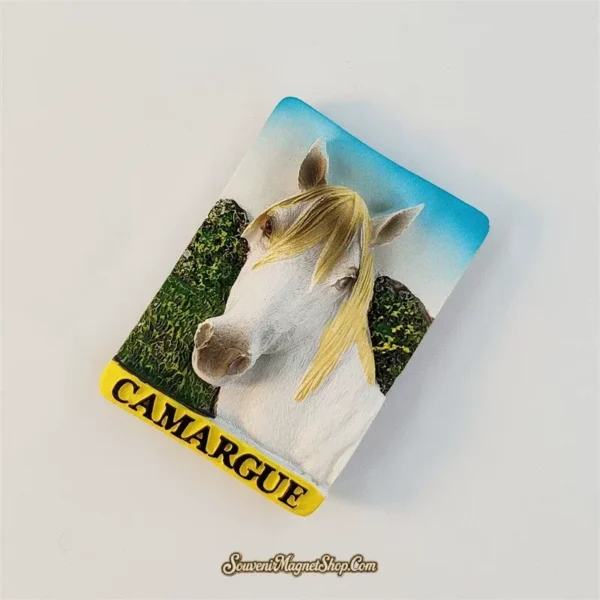
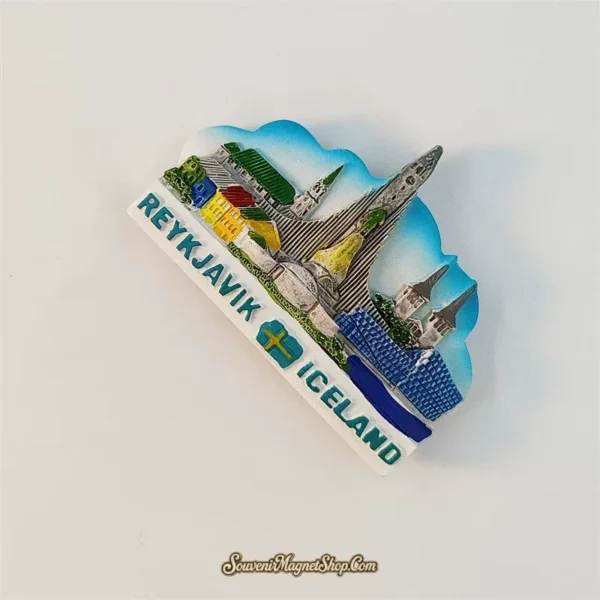
⭐ As shown above, these resin magnets are the mainstream best-seller of the category: all 3D-sculpted and hand-painted, typically weighing 60–100 g each; comparable pieces sell for about $5–12 on the market.
2.2 Soft PVC
- Craft: Eco soft-PVC front (injection / dome / silk-screen) on a flexible-magnet back; 2D or 3D relief.
- Pros: Vivid colors (solid / translucent / glow), free-form shapes, cheap and drop-proof.
- Cons: Less crisp detail than metal or resin; a more “plastic” feel.
- Best for: Cartoon IP, brand logos, low-cost high-volume runs.
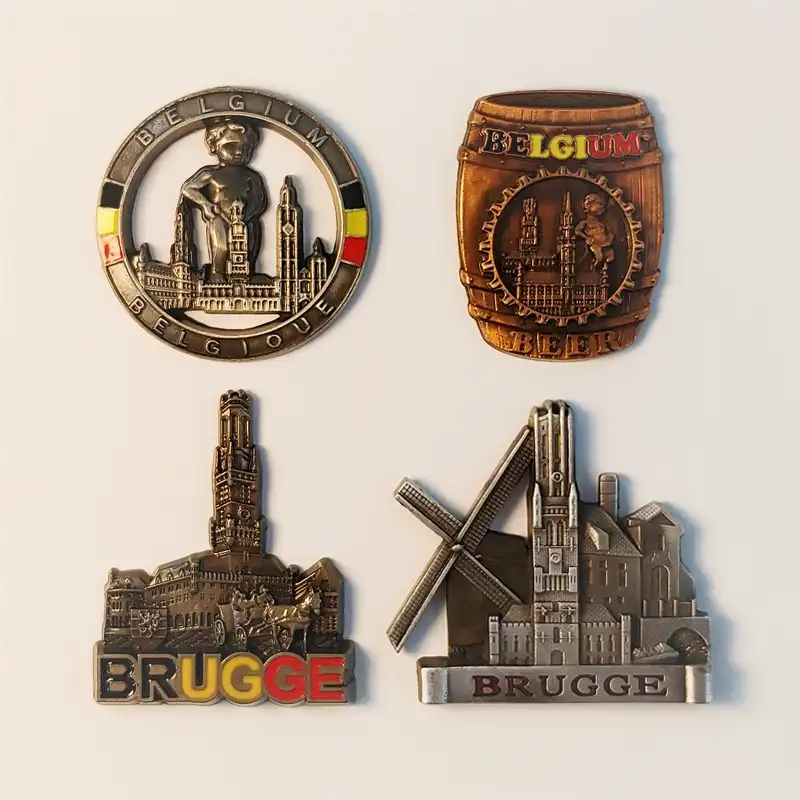
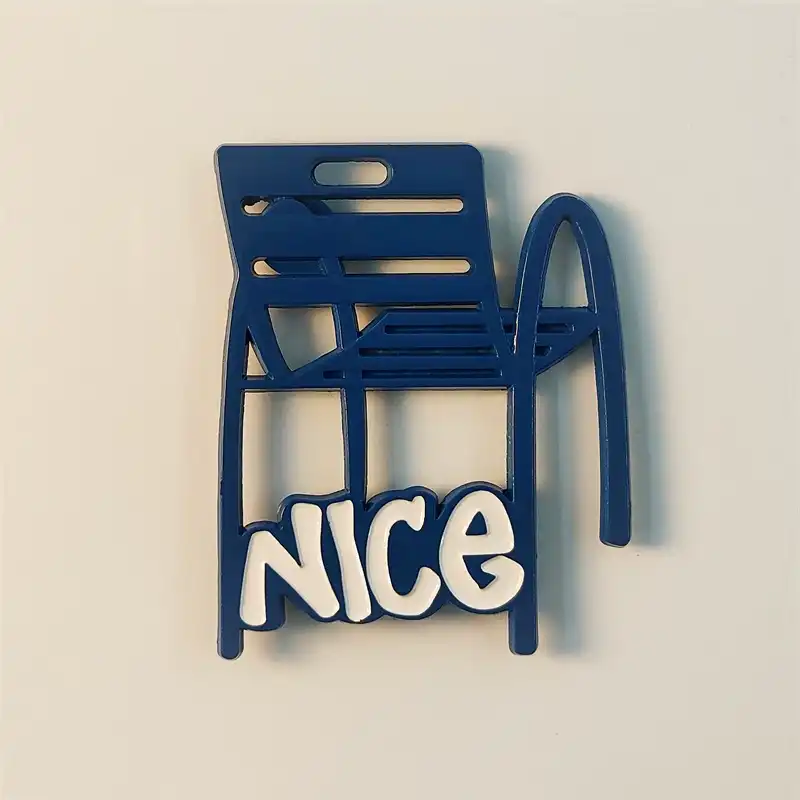
2.3 Metal (Zinc Alloy / Aluminum)
- Craft: Metal base with enamel, baked paint, plating, etching or stamping; usually a flexible-magnet back, often a bottle opener.
- Pros: Sturdy, strong relief and premium feel; can be gold / silver / copper-plated or given an antique look.
- Cons: Heavy (needs a strong magnet) and can oxidize.
- Best for: Premium souvenirs, beer culture (bottle-opener styles), badge looks.


2.4 Wood (Bamboo / MDF)
- Craft: Solid wood or plywood, laser-engraved or UV-printed.
- Pros: Warm and natural, unique grain, strong eco angle.
- Cons: Vulnerable to water and warping; higher processing cost.
- Best for: Nature reserves, artisan / indie gifts, sustainable brands.
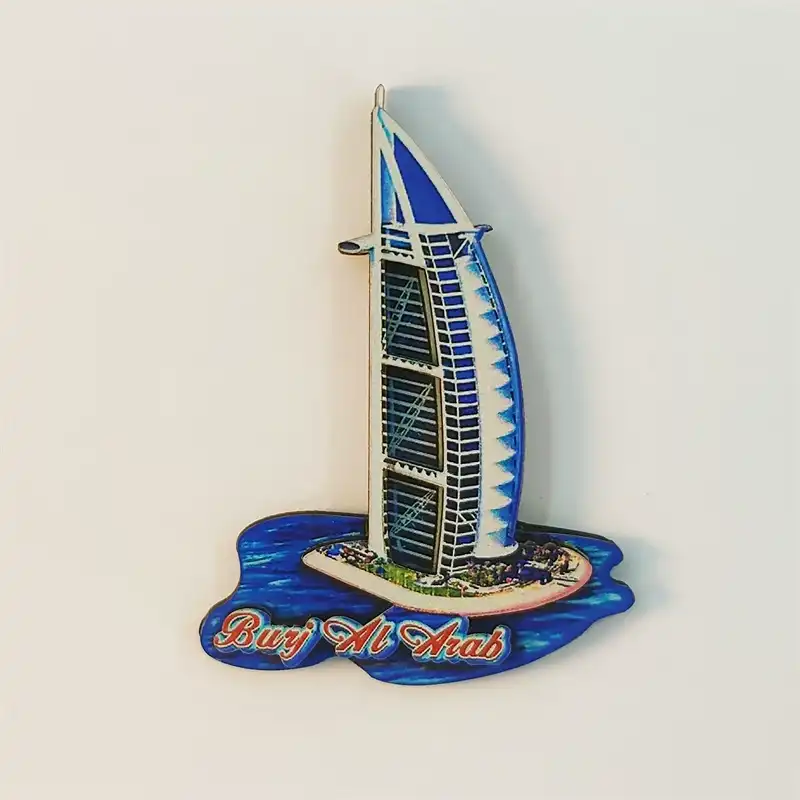
⭐ These wood magnets lead with warm natural grain and an eco feel, ideal for nature and artisan themes; comparable pieces sell for about $5–15 on the market.
2.5 Ceramic
- Craft: Glazed and kiln-fired top over a flexible magnet; sublimation blanks are also common.
- Pros: Decorative and meaningful, eco-friendly, with a bright, durable glaze.
- Cons: Fragile (shipping / drop risk) and heavy.
- Best for: Fine-art reproductions, museum and gallery souvenirs.
- Tip: A genuine ceramic magnet stays mostly flat but carries a subtle relief on its surface.
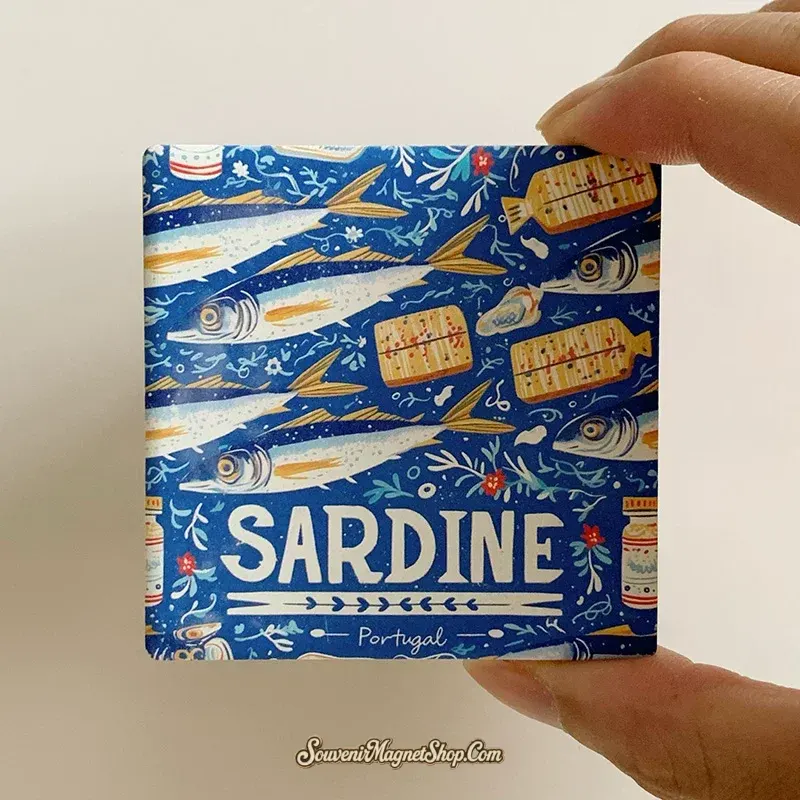
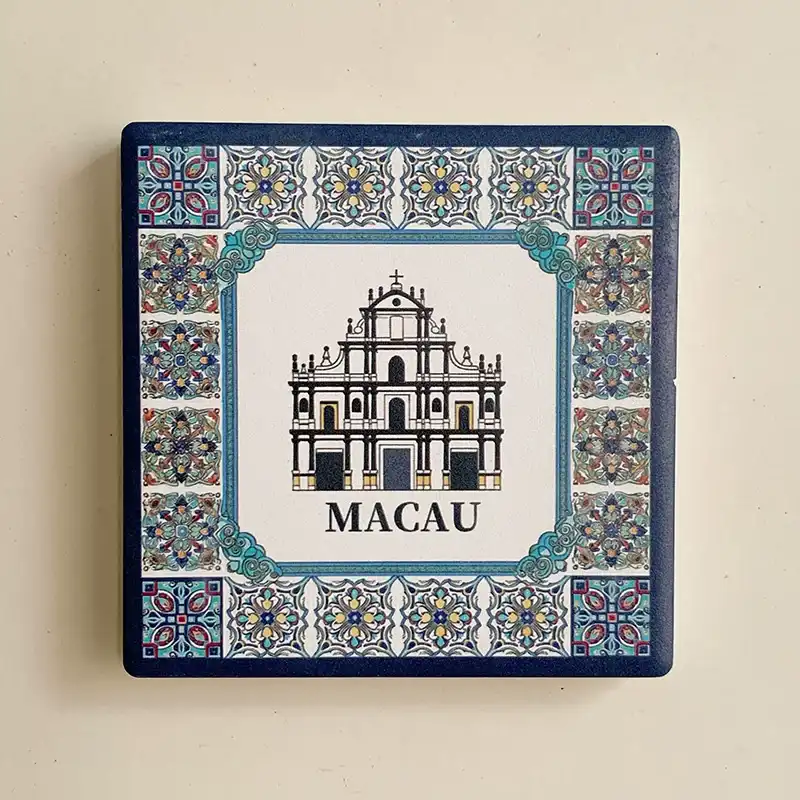
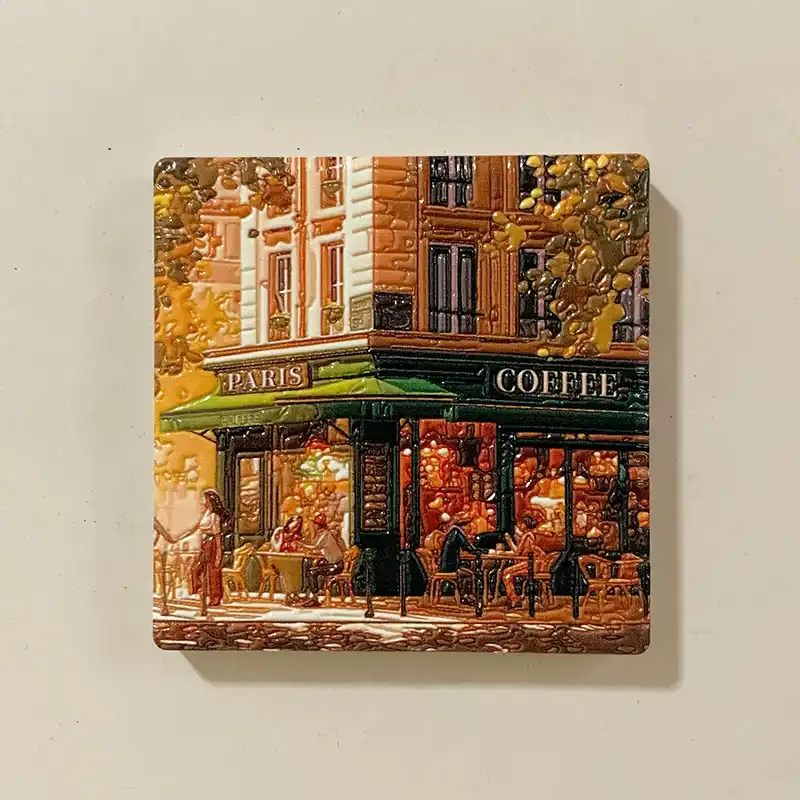
⭐ These ceramic magnets feature a bright, artsy glaze for art reproductions and museum styles, backed with a flexible magnet; comparable pieces sell for about $5–12 on the market.
2.6 Acrylic (Crystal)
- Craft: Acrylic panel with high-definition UV print on a flexible-magnet back.
- Pros: Clear and vivid, smooth and easy to clean, fairly scratch-resistant.
- Cons: Brittle on impact; may fade under long sun exposure.
- Best for: Modern minimalist, photo / illustration designs, flexible custom work.
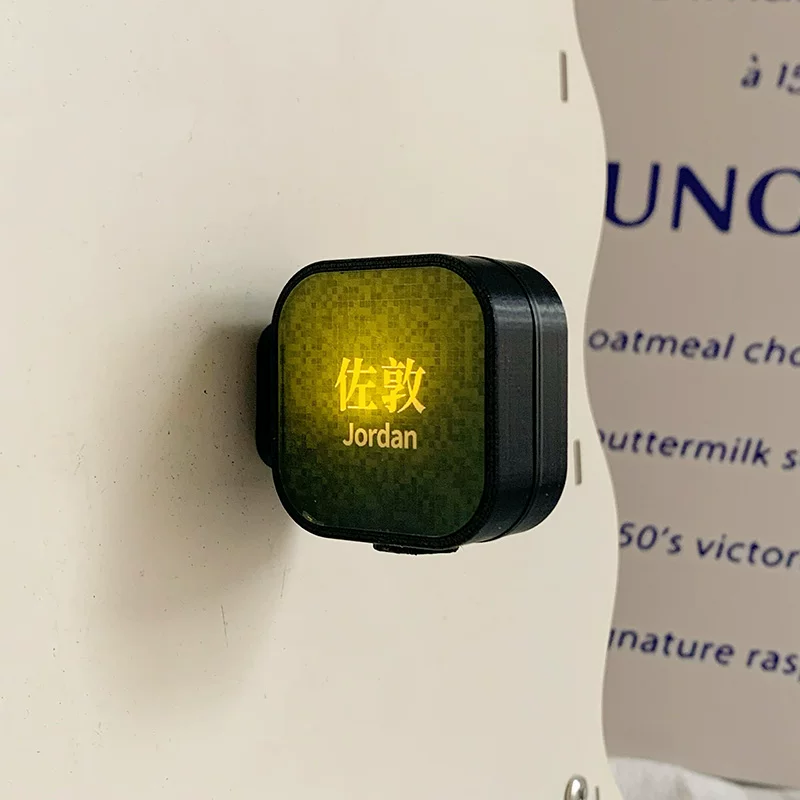
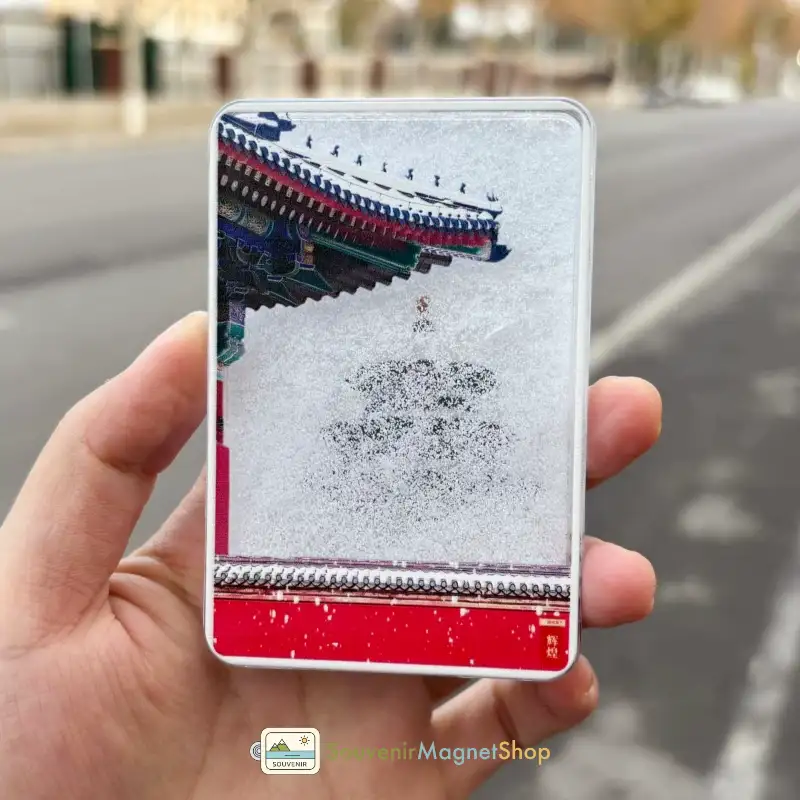
⭐ These acrylic magnets use high-definition UV printing for crisp, vivid, modern designs; the stiff panel pairs with neodymium for a secure grip; comparable pieces sell for about $3–8 on the market.
2.7 Glass (Glass Dome)
- Craft: A glass cabochon over a printed image — like epoxy doming but clearer and harder.
- Pros: Crystal-clear, magnifies the art, good feel, scratch-resistant.
- Cons: Heavy and breakable.
- Best for: Refined photo and art pieces.
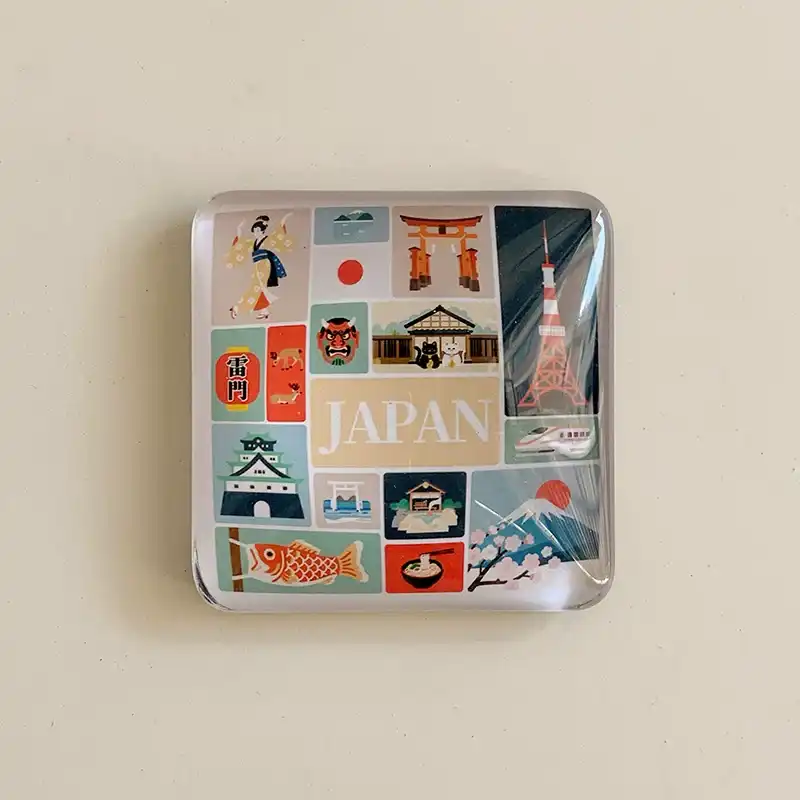
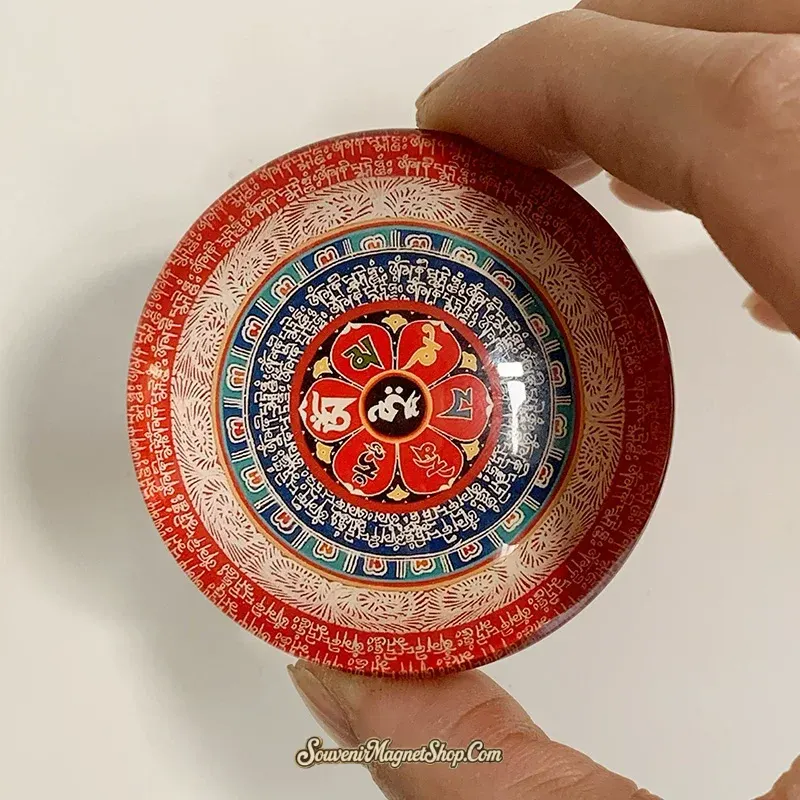
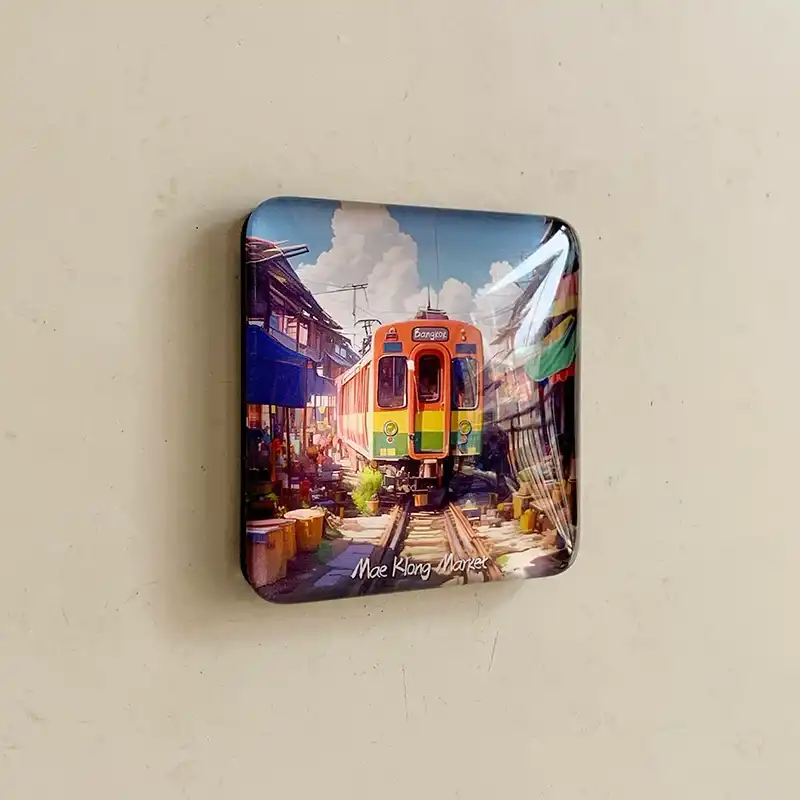
⭐ These glass-dome magnets are crystal-clear and magnify the art for a refined look, backed with a flexible magnet; comparable pieces sell for about $3.5–9 on the market.
2.8 Paper (Printed Magnet)
- Craft: Laminated art paper printed and bonded to a flexible magnet, or printed straight onto magnetic sheet, with glossy UV lamination.
- Pros: Thin, cheapest, full-color, strong design expression.
- Cons: Not waterproof, less durable, wears easily.
- Best for: Promo giveaways, business-card magnets, and design-led literature, film, art, and character themes.
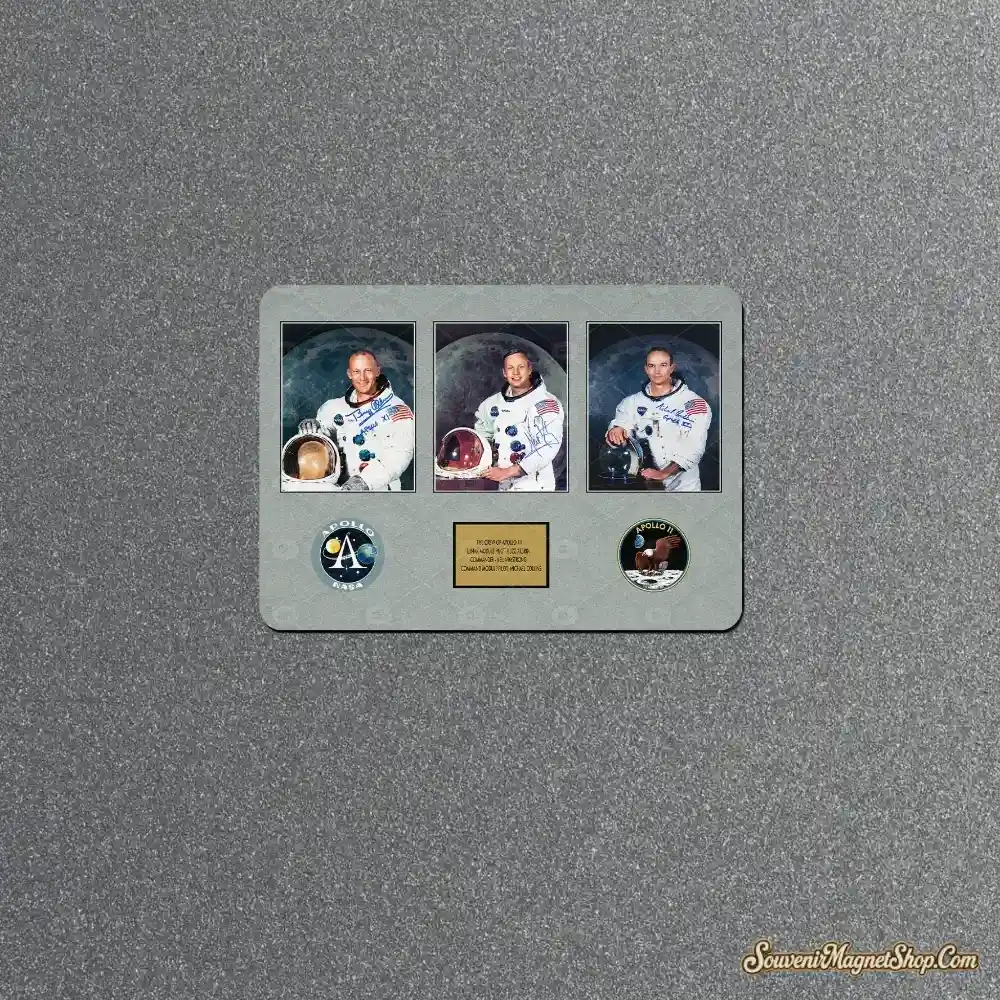
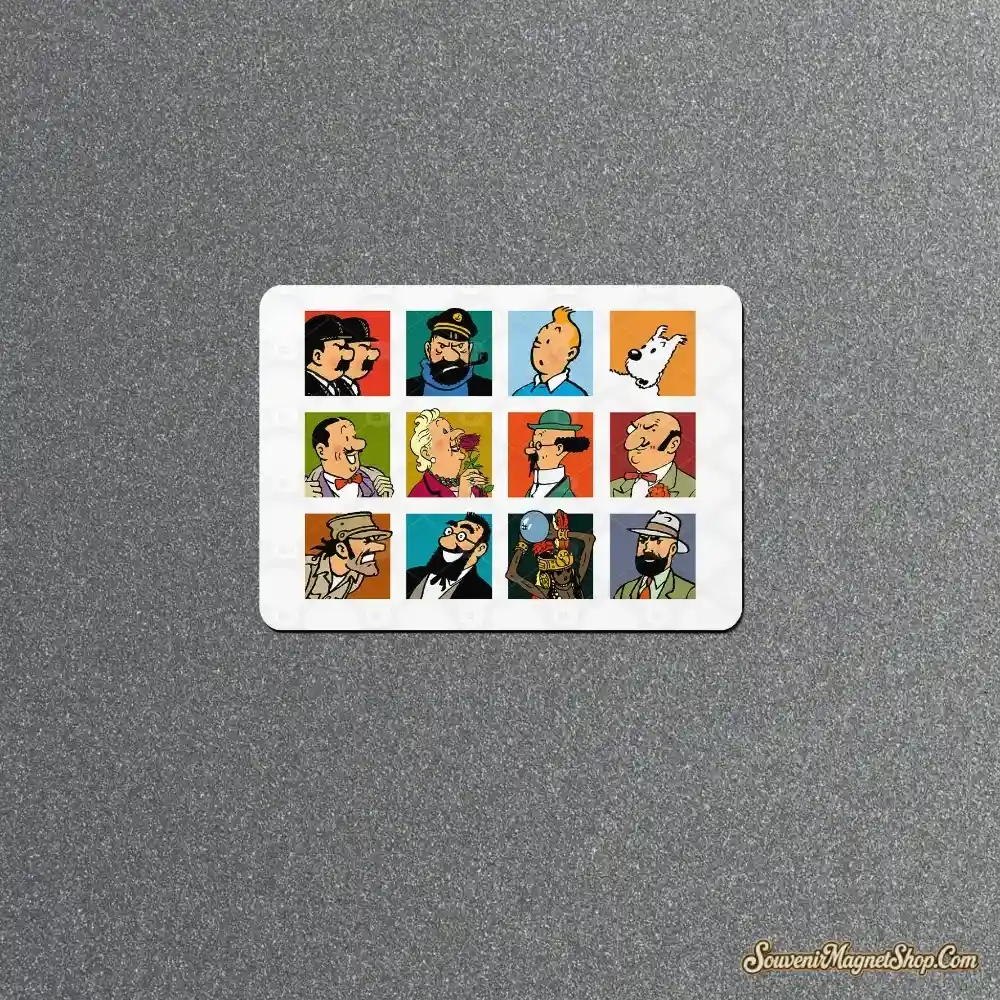
⭐ These paper magnets (laminated) are thin and design-led (literature, film, art, and character themes) — matte lamination over an ~1mm flexible magnet; comparable pieces sell for about $4–7 on the market, an affordable entry-level pick.
Other Niche Materials
Coconut shell (epoxy + laser-engraved shell, tropical vibe), polymer clay (DIY, free-form), and thermometer magnets (flexible back + CMYK print with a built-in function) round out the more niche options.
3. Material comparison cheat sheet
| Material | Look & feel | Durability | Cost | Relief | Typical use |
|---|---|---|---|---|---|
| Resin / Epoxy | Premium, 3D, glossy | High (scratch / moisture-proof) | Mid–High | ★★★★★ | Mainstream souvenirs |
| Soft PVC | Vivid, plasticky | High (drop-proof) | Low | ★★★☆ | High-volume / cartoon |
| Metal | Sturdy, premium | High (needs anti-rust) | Mid–High | ★★★★ | Premium / bottle opener |
| Wood | Natural, unique grain | Medium (water-shy) | Mid | ★★★ | Eco / artisan |
| Ceramic | Bright glaze, artsy | Low (fragile) | Mid | ★★★ | Museum / art |
| Acrylic | Clear, modern | Medium (drop / sun) | Low–Mid | ★★ | UV-print custom |
| Glass | Crystal-clear | Medium (heavy / fragile) | Mid | ★★ | Fine photo pieces |
| Paper | Flat full-color | Low (not waterproof) | Lowest | ★ | Promo / print |
🧩 With both sides covered, here’s the real “material → magnet” mapping from our own shelves:
- Resin — large and heavy → mostly ferrite
- Acrylic & metal — thickness plus shaping and material needs → neodymium
- Glass, ceramic & paper — manageable weight and flat backs, mostly regular square / rectangular / round shapes (no irregular cuts) → flexible (rubber) magnet
- Wood — depends on shape, design and weight → any of the three (flexible, ferrite or neodymium)
In short: irregular, thick or grip-hungry pieces get neodymium or ferrite; flat, regular, lightweight ones use a flexible magnet.
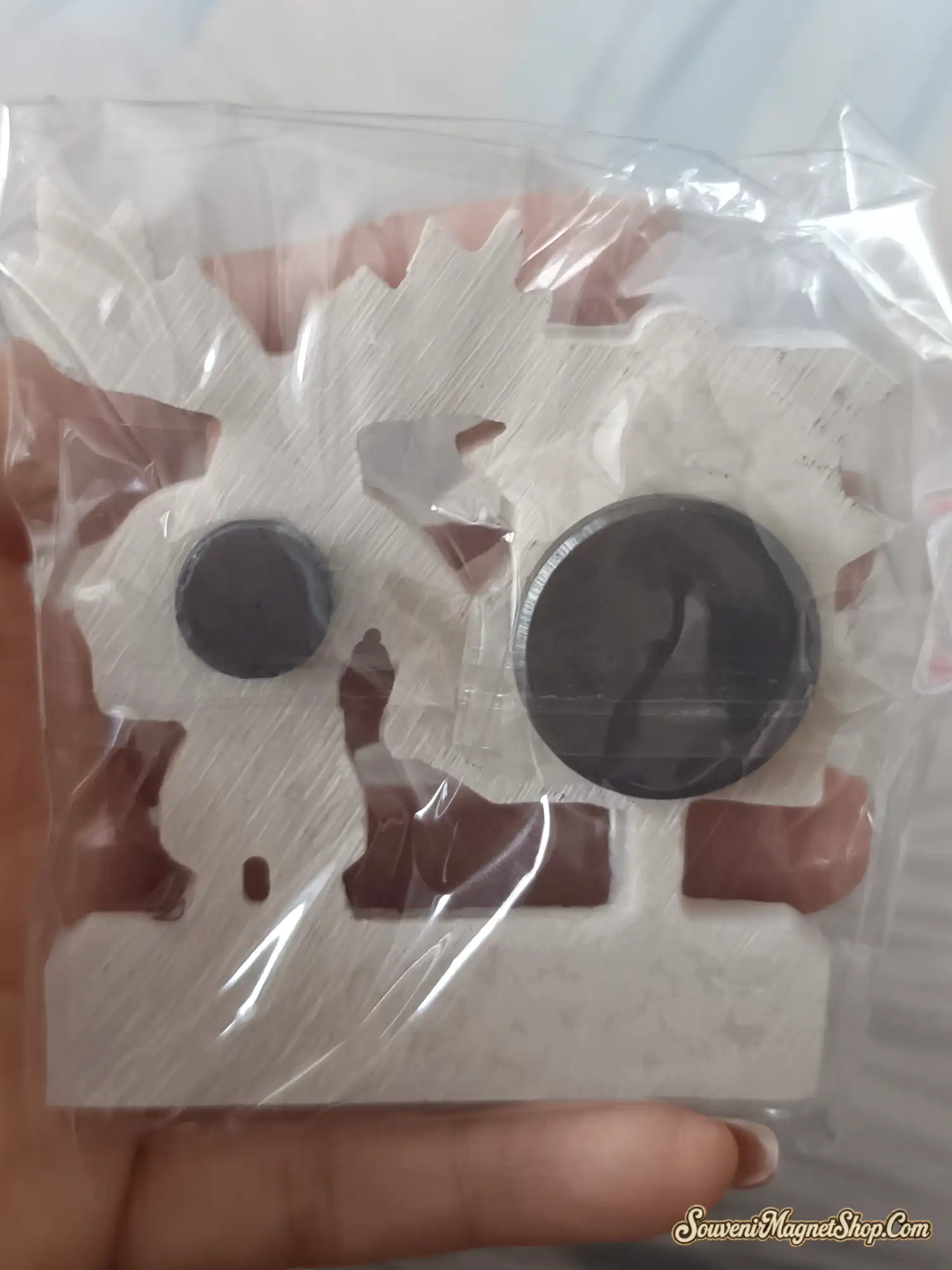
Insider secret: how many magnets are hidden on the back
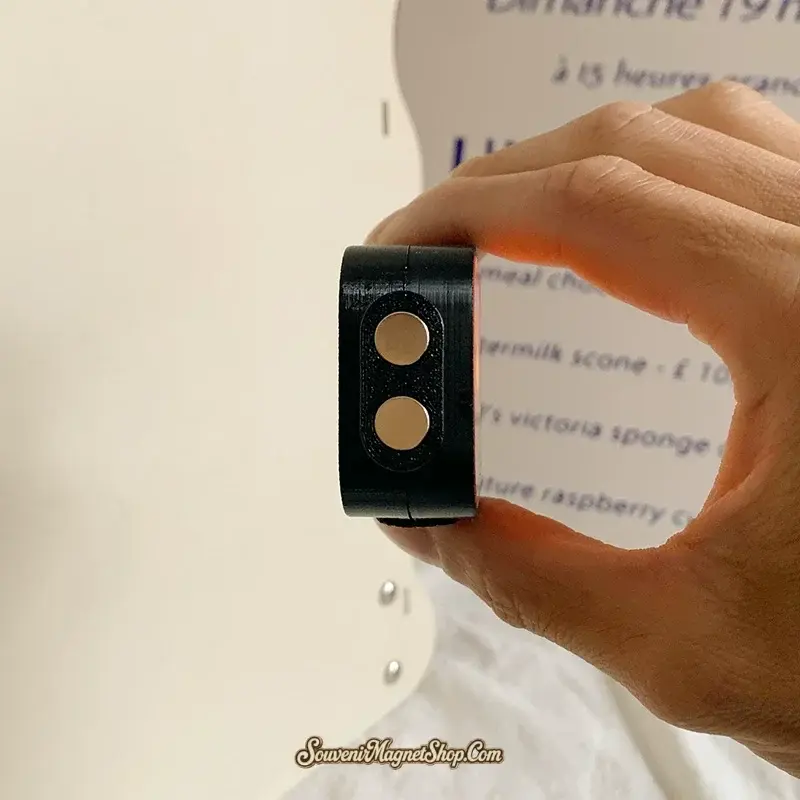
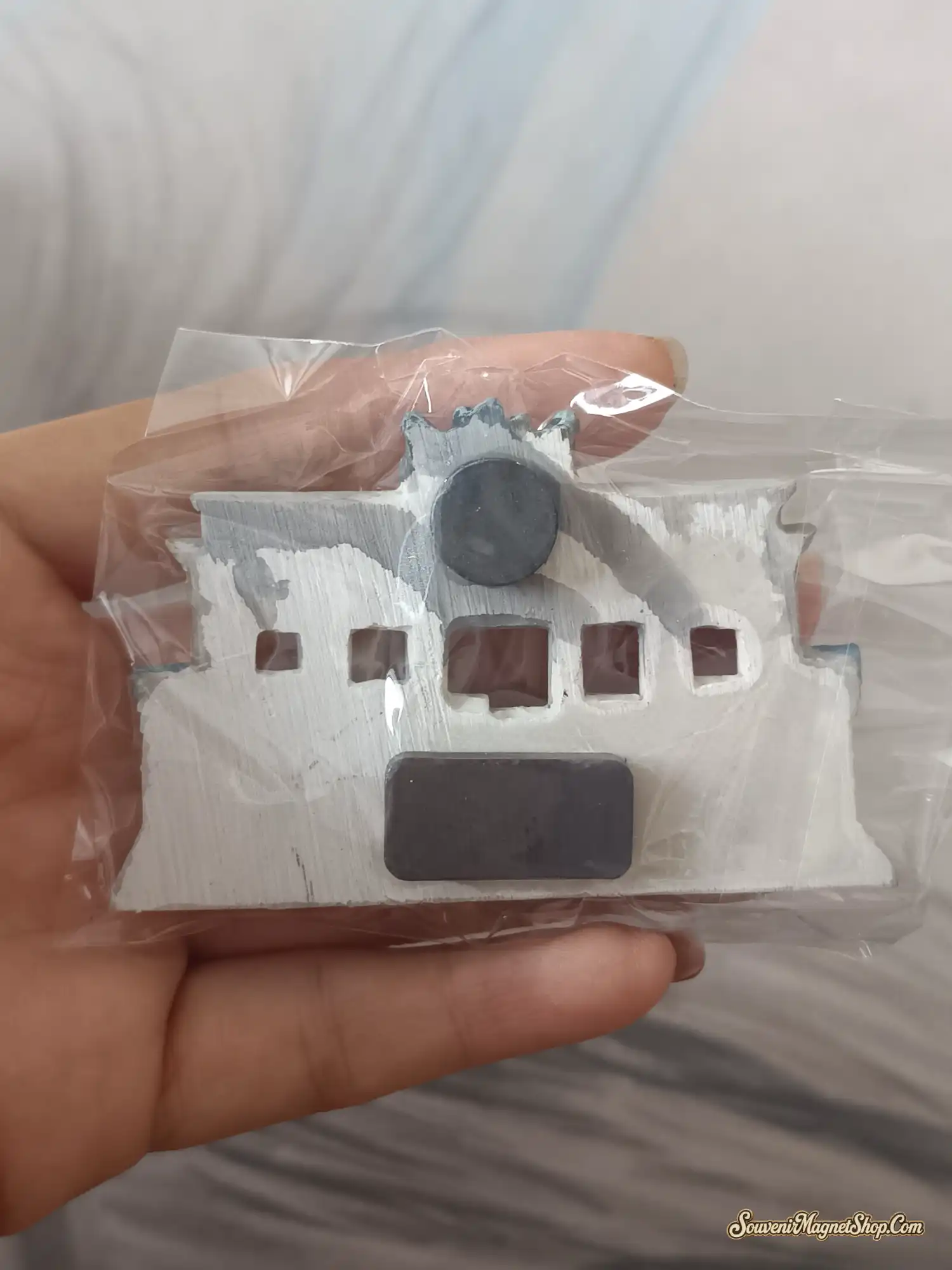
Few people ever flip a fridge magnet over to look at its back — but that’s exactly the detail a pro notices. On irregular, oversized, or long-and-thin pieces, a single magnet lets the balance tip, so the piece curls up, spins, or slides off the moment the door slams. The careful way is to place two (or more) magnets at separate points on the back, spreading the load evenly for a steadier, flusher hold. So next time you buy a large or irregular piece, flip it over and count the magnets — our own pieces of this kind are made exactly that way.
4. Buying & care tips
- Pick by need: resin for true 3D realism; metal for premium feel; wood for eco / artisan warmth; ceramic, glass or acrylic for art and photo prints; PVC or paper for low-cost volume.
- Match magnet to weight: heavier pieces need stronger magnets — prefer ceramic or neodymium for metal and thick resin.
- Care: keep wood dry, protect ceramic and glass from drops, guard metal against rust, and keep neodymium away from moisture.
- On price: wondering what each material is really worth and how to avoid overpaying? See our companion piece, How Much Should a Souvenir Magnet Cost?.
5. Closing
😉 Real talk: in today’s hyper-industrialized world, fussing over “what exactly is this made of and which magnet is inside” matters less than you’d think — souvenir shops, museums, supermarkets and online stores mostly draw on the same materials and processes. That magnet you grabbed at a landmark? It may well have shipped from a factory like ours (hey, just maybe). So don’t over-think the specs — pick the one whose picture or story speaks to you. That’s the right one.
From a single injection-molded magnet to today’s rich range of materials, the fridge magnet has grown from a handy trinket into a keeper of travel memories. Next time you choose one, decide what you’re really after — feel, artwork, or value — then use this guide to find your match.
Once you’ve found your preferred material, the next step is picking a country, city, theme, or series — our collections hub lets you browse everything in one place: